7 Content Marketing Mistakes Startups Loves to Make
Startups are great in many things, but they genuinely lack in SEO.
They focus on the product, market fit, generating revenue, raising funds, and other aspects that are indeed critical to business.
While there are startups that have grown big because they leveraged the power of search engines, most of them don’t focus on SEO sometimes and adequately make huge mistakes.
Let’s see a few mistakes startups love and enjoy making.
#1 Plan is not a strategy
Content plan and content strategy are two different things.
Do not make the mistake of assuming one is similar to another.
Having a content plan and editorial calendar is critical to achieving the objectives, but you have to have that strategy to follow the aim.
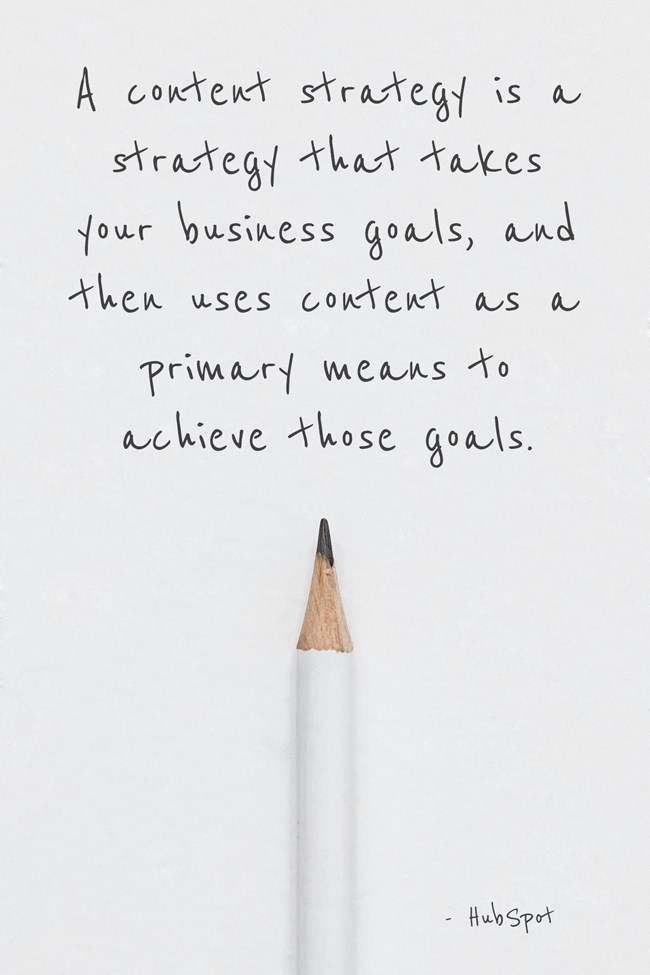
Thinking about the number of posts that should go live every month is one significant indication that you are not following a strategy but a plan.
What to do?
You must have a clear understanding of the content you are producing, the channel you choose to work on, and how it aligns with the targets.
Is every piece taking the business in one direction?
#2 Get viral or die
- Notion is now valued at $2B.
- Coda is valued at $636M.
- Dropbox is at $11B.
- Box is at $3.5B.
None of them went viral.
Most of the successful SEO campaigns you will see are the ones that play the long game. They created content moats, such as Hubspot, Moz, and Semrush.
You do not achieve high rankings and conversion overnight. (exceptions do)
Typically, the websites rank for a large number of queries, and more than 70% of content does not bring that large number of traffic.
So don’t run behind viral content or video.
What to do?
Make a solid content strategy and follow it. SEO and content marketing take time.
So stop expecting that every page will rank on page 1.
#3 All content spins the same
No.
- Not all content drives traffic.
- Not all content attracts backlinks.
- Not all content increases brand awareness.
Again, if you have a solid content strategy instead of a plan, you will see the purpose of the content.
How different content is delivering an additional value to the business.
- A free eBook may not rank, but it can make the browser a subscriber.
- Infographics may not attract social shares, but they can increase backlinks.
- The page may not be suitable for conversion, but it brings traffic (brand awareness).
There the repurposing of the content enters. You can distribute your content to multiple platforms.
But stop judging all the content from the same lenses.
What to do?
Keep the purpose of the content in mind while creating strategy, and determine the quality of the content on these metrics.
#4 Let’s rank wrong keywords
Not understanding the keyword intent correctly and producing the wrong type of content.
Let’s see:
If the keyword is: ‘best payment gateways for dropshipping’
The intent here is to find the payment gateways that work excellently with the dropshipping websites.
It’s an informational keyword.
Trying to rank a commercial page will take more resources and will not produce good results.
If you are a payment gateway, don’t try to rank your page for this keyword.
People are not looking for products; they are looking for information about the various products to choose one.

#5 Pray for link rain
Do you know Eric Ward?
He is the person who made backlinks for Amazon when it was only a startup.
Eric Ward developed link-building strategies for Microsoft, Disney, BBC, NASA, etc…
For any startup, backlinks do mean a means to ranking and awareness, PR, and credibility.
But startups don’t create content that attracts links. Instead, the strategy is typically to acquire customers and generate revenue. (which is best initially)
Praying for links does not work.
What to do:
Startups have to reach out and ask for the links shamelessly. But first, they have to create something link-worthy.
Then piggybacking on the linked pages, the site can rank the product pages, blog posts, or other informational content.
#6 We do SEO
Then some startups will shrug their shoulders and say, ‘We do SEO.’
Doing SEO alone is not alone. You cannot put all the eggs in one basket. It is unfair to SEO.
It also undermines the value SEO brings.
You also have to do the retargeting, ORM, and social media. All the channels join the force and create a web of credibility on the web for the startup.
What to do?
Don’t lean entirely on SEO.
First, analyze the product and find the source of the customer. Then, try to dip into the top-performing channels and take the 360-degree advantage.
#7 Not working
Giving up too soon.
If it is not working quickly, then it is worthless. Typically, you have to wait for several weeks to see the result.
First of all, the update itself takes some time. Then the reporting takes time.
SEO is working; it’s just you can’t see it quickly.
SEO takes time.
You do not post an article one day and see it ranking in a few hours. Nor do you know the conversion from that article from the next day.
What to do?
Have some patience and trust in the process. If your SEO is working, and he knows his stuff, then your website will show results.
Give time to SEO to bake the results.
Final Words
When running a business, there is lots of pressure, too many metrics to follow, decisions to make, and processes to create.
But all the tears and sweat are worth it.
Your team is your biggest asset, and with the right people, you can achieve your dream. But you have to believe in those people and let them do their work.