Error Keyword Plan: PainKiller Content
The Internet ecosystem lies over sensitive technology and infrastructure. There are errors, bugs, and issues in every software.
Open Github of any software and head over to the open issues section to see for yourself. For example, WordPress Gutenberg has 4. k issues currently.

Some companies do not make their issues open. It does not means the software is issue free.
These coding and technological issues mean errors in programs. The error will lead to searches made on Google to solve it.
You can be the one with the solution following the Error keyword plan.
More Keyword Plan:
- Alternative Keyword Plan to Capture Competitor’s Audience
- Internal Link Leading Content Strategy for New Blogs/Website
- Product Oriented Content Strategy for SaaS Product Startups
What is the Error Keyword Plan?
Error Keyword Plan is a plan where we target the errors and provide an instant solution to the users. The error causes a block in work, and people search for the solution asap.
For example:
- HTTP 422 Error
- 502 Bad Gateway Error
- 504 Gateway Timeout Error
- Resolve the PR_CONNECT_RESET_ERROR
Error Keyword Plan Example
Kinsta: Kinsta uses WordPress-related errors to attract WordPress users to sell WordPress hosting.

Hubspot: Also have error keywords

TechCrunch and Wired also have content around the error keyword.

.

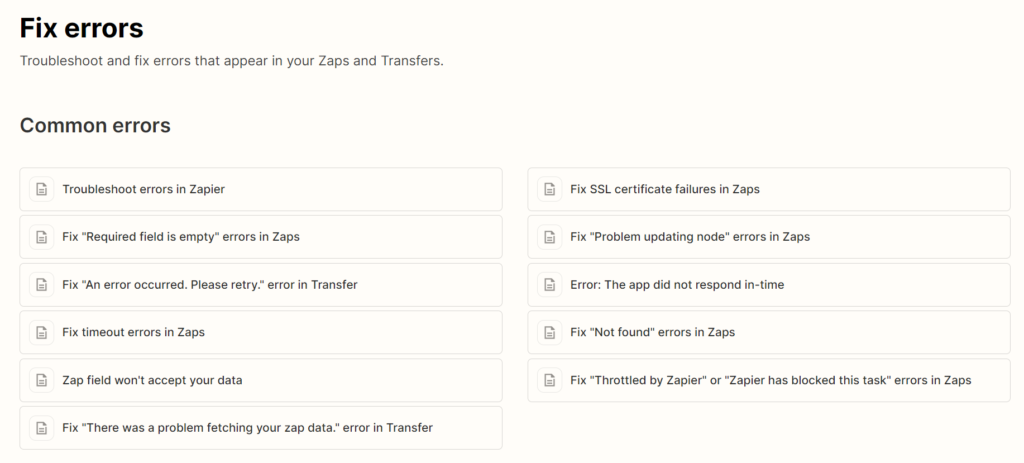
Zapier solves the Zaps errors and has a dedicated section for the errors.
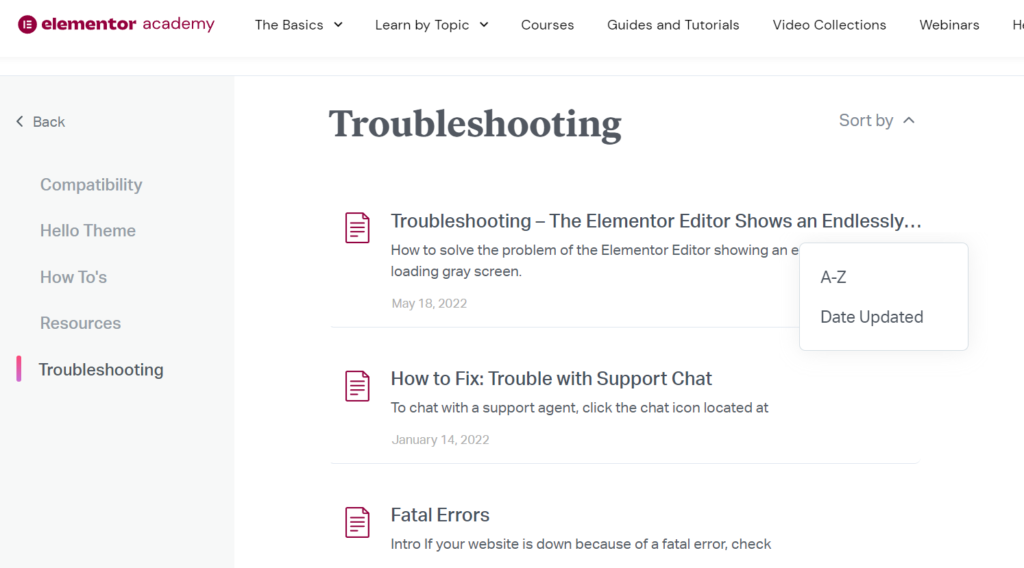
ElementorAcademy covers common Elementor errors. But there are more Elementor errors to cover. (I use it personally)
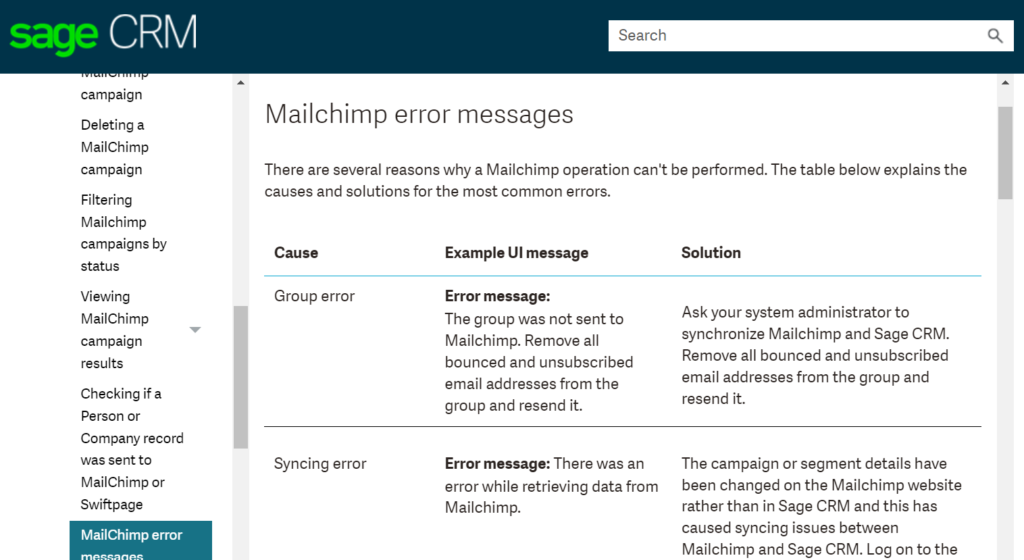
MailChimp integrates with various platforms. It does not always work as intended.
The webflow forum is full of people asking for solutions to the errors.

Error Keyword Plan is for:
The keyword plan is an excellent opportunity for the companies whose user’s business depends on the software. Or their website is built using a software that tends to get error a lot.
How to do Error keyword research?
- Find the software your audience use
- Search ‘{{software}} errors’ on Google
- Search the StackExchange for the errors
- Search the software related groups and forums
- Open the software and open issues on Github (if there are)
Types of Keyword plan:
#1 Direct Software Users
If your audience business is online, they must be using a platform and software to run it.
- Email marketers use Snovio, Lemlist
- Course sellers use Height, WooCommerce
- Ecommerce store owners use Magento, WooCommerce
Every online business uses software to run it. And with the software comes tons of errors and issues.
People looking to solve the errors will come to your website. The writer can convert the user by saying that the problem would not have happened if you were using their software.
How to do keyword research?
- Use the software your audience is using
- Look for the errors
- Find the errors through an extensive search on Google and social media
- Check out the platform reviews given by developers
#2 Indirect Software Users
If your business does not use software to sell its service (such as offline sellers) – it must use software to manage and run the business. Everyone uses the software.
They must be using:
- Billing software
- Employee management
- Inventory management
And much more. You can find the errors of that software and target the potential customer indirectly.
#3 Topic Software Users
Your app/software comes under the productivity category. Find the most popular apps in that category and find the errors of it.
Solve it, and pitch your ‘error free’ product.
Content Expectation from Error Keyword
The expectation from the article is pretty clear with error keywords. The user usually wants the solution.
But the solution should be:
- Avoid deleting the data from the websites.
- Secure: The solution should not break the other aspects of the software and website.
- Preferably does not involve adding new technology to the software (no surprises)
- Must tell the risk involved with each solution and offer a suggestion to avoid (for example: take a backup of the website before installing a plugin)
The expectations from the content are:
- Exact step by step process
- Explain the reason behind the error
- Explain the reason behind the solution
- Multiple screenshots to avoid confusion
- Provide several solutions without stories
- Take to the point from the first paragraph
- Comes directly to the point as the work is halting due to errors
Wrap Up
This type of keyword plan for the blogs covers the topic related to the software. Or their audience uses software extensively. All you need is those errors and some research to create the painkiller content.